

Chicken is a staple in kitchens around the world—affordable, versatile, and often hailed as a “healthy” protein option. From grilled chicken salads to roasted chicken dinners, it’s easy to incorporate into almost any meal. But what if you make chicken a daily part of your diet? Will it boost your health, or could it lead to hidden risks?
1. The Nutritional Profile of Chicken: Why It’s a Go-To Protein
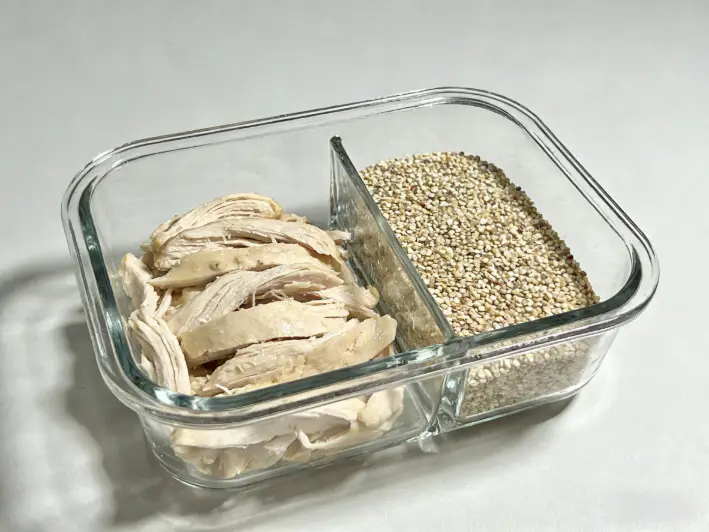
Chicken is one of the most popular daily protein choices worldwide, thanks to its impressive nutritional profile. A 100-gram serving of cooked, skinless chicken breast (the leanest cut) offers key nutrients that support overall health, making it an ideal daily protein source:
- High-Quality Protein: 31 grams of protein per 100g, which is complete (contains all 9 essential amino acids) and easy for your body to absorb. Protein is vital for muscle growth, tissue repair, and keeping you full longer.
- Low in Fat & Calories: Only 3.57 grams of fat and 165 calories per 100g, making it a great choice for weight management compared to red meats like beef or pork.
- Essential Micronutrients: Rich in B vitamins (niacin, B6, B12) that support energy production and brain function, plus selenium, phosphorus, and zinc for immune health and bone strength.
- Low in Carbs & Sodium: Naturally carb-free and low in sodium (74mg per 100g for skinless breast), making it suitable for low-carb, keto, or heart-healthy diets.
Dark meat (thighs, drumsticks) has slightly more fat and calories but is also higher in iron and zinc—so both cuts have their nutritional perks depending on your goals.
2. Positive Effects of Eating Chicken Every Day
When eaten correctly, daily chicken consumption offers significant health benefits. Here’s what you’ll notice when making it a regular part of your diet:
(1)Supports Muscle Growth & Maintenance
Chicken’s high-quality protein supports muscle growth and maintenance—ideal for gym-goers or those aging. A study by the American Heart Association found lean chicken helps preserve muscle mass, which aids mobility and metabolism, even for non-active individuals.
(2)Aids Weight Loss & Weight Management
Chicken is filling yet low in calories, making it perfect for weight management. Its protein boosts satiety, reducing cravings. A 3.5-ounce chicken breast (palm-sized) keeps you full for hours, per the National Chicken Council.
(3)Boosts Energy & Improves Mood
Chicken’s B vitamins (B6, niacin) convert food to energy, stabilizing daily energy levels. It also contains tryptophan, which helps produce serotonin—the “happy hormone” that improves mood and sleep when eaten daily.
(4)Supports Heart Health
Lower in saturated fat and cholesterol than red meat, skinless chicken supports heart health by keeping LDL (bad cholesterol) in check. The American Heart Association recommends it as part of a heart-healthy daily diet when baked or steamed.

3. Potential Risks of Daily Chicken Consumption
While chicken is a healthy daily protein, it carries risks if not chosen or cooked properly. Here’s what to avoid when eating chicken every day:
(1)Nutritional Imbalance
Eating chicken daily without variety causes nutrient gaps (it’s low in fiber, vitamin C, and antioxidants). Pairing it with plant foods prevents constipation and supports immunity.
(2)Risk of Foodborne Illness
Chicken often carries Salmonella or Campylobacter. Eating undercooked chicken daily raises food poisoning risk—always cook to 165°F (74°C), per the CDC.
(3)Antibiotic Residue & Hormones
Conventionally raised chickens may have antibiotic/hormone residues, which contribute to antibiotic resistance with daily intake. Choose organic/free-range chicken to reduce this risk.
(4)Increased Cancer Risk (When Overconsumed)
A 19-year study found over 43g of daily chicken (300g/week) raises all-cause mortality and gastrointestinal cancer risk. High-heat cooking (frying/grilling) adds carcinogens—moderation and proper cooking are key.
(5)Gout Flare-Ups
Chicken’s purines convert to uric acid, triggering gout flare-ups in susceptible people. Limit daily intake and avoid high-purine pairings (e.g., beer) if you have gout.

4. Expert Tips for Eating Chicken Daily (the Healthy Way)
Follow these expert tips to safely enjoy chicken daily, maximizing benefits and minimizing risks:
(1)Choose the Right Cuts
To get the most benefit from daily chicken consumption, opt for skinless chicken breast for the lowest fat and calories, or skinless thighs for more flavor and iron. Avoid processed chicken products (nuggets, deli meat, sausage)—these are high in sodium, preservatives, and unhealthy fats, which negate the benefits of eating chicken every day.
Opt for skinless chicken breast for the lowest fat and calories, or skinless thighs for more flavor and iron. Avoid processed chicken products (nuggets, deli meat, sausage)—these are high in sodium, preservatives, and unhealthy fats.
(2)Cook It Healthily
Cook chicken via baking, steaming, boiling, or air-frying (avoid frying). Marinate grilled chicken to reduce carcinogens and avoid charring.
(3)Pair with Plant Foods
Pair daily chicken with vegetables, whole grains, and fruits to add fiber, vitamins, and antioxidants, preventing nutritional imbalance.
(4)Choose Organic/Free-Range Chicken
Organic/free-range chicken is best for daily eaters—it has no antibiotics/hormones and higher omega-3s for heart health.
(5)Control Portion Sizes
Stick to 3.5 ounces of chicken daily (USDA recommendation for a 2,000-calorie diet) to avoid overconsumption risks.
5. Final Verdict: Is Daily Chicken Good for You?
Eating chicken every day is healthy if you choose lean, unprocessed cuts, cook them properly, and pair with plant foods. It supports muscle, energy, and heart health, but risks like nutrient gaps or foodborne illness exist without care.
The bottom line: Chicken is a great daily protein option, but it shouldn’t be the only protein in your diet. Mix it with fish, tofu, beans, and eggs to keep your diet diverse. And always prioritize quality (organic/free-range) and proper cooking to stay safe while enjoying chicken every day.