
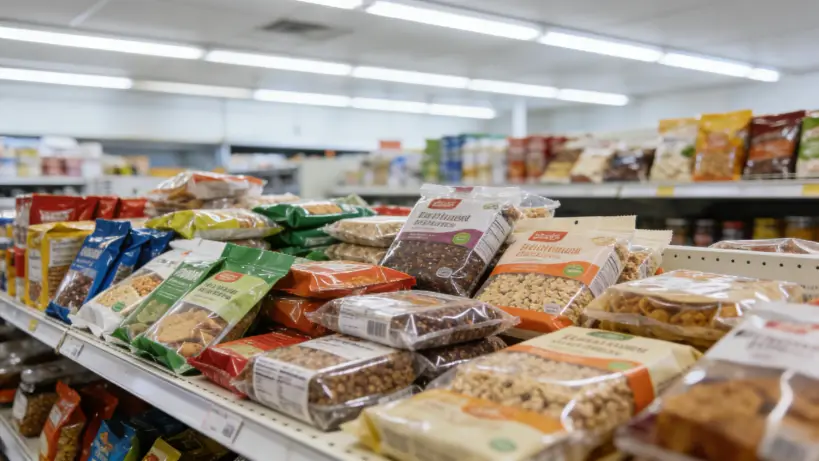
Are you always drawn to labels like “low-fat,” “high-fiber,” and “whole-grain,” thinking you’re eating healthy—only to end up tired and bloated after meals? In reality, many so-called “healthy foods” are quietly draining your energy while hiding behind a “healthy” facade. Today, we’re breaking down 7 of the most common “health traps” to help you avoid mistakes, eat mindfully, and keep your body feeling light.
1. Fancy Oatmeal: A Sugar and Oil Bomb in “Whole-Grain” Clothing
Many people reach for fancy oatmeal for breakfast, thinking it’s high in fiber, filling, and perfect for weight loss and wellness. But if you take a close look at the ingredient list, you’ll find most of these oatmeals are packed with tons of white sugar, non-dairy creamer, flavorings, and dried fruits.
Take a popular viral fruit oatmeal, for example: it contains as much as 20 grams of sugar per 100 grams, nearly 10 grams of fat, and around 500 calories—way more than plain old oatmeal. Eating it long-term not only makes weight loss harder, but it also causes blood sugar to spike and crash, leading to afternoon fatigue, digestive issues, and even bloating or acid reflux.
Avoidance Tip: Pick plain oatmeal with only “oats” on the ingredient list. Cook it with milk or water, then top it with fresh fruit and a handful of nuts for a healthy, filling meal.
2. Milk Beverages: Not Milk, but “Sugar Water + Additives”
Those fancy milk beverages labeled “milk-containing” or “lactic acid bacteria” are often mistaken for a nutritious substitute for milk. But the truth is, milk beverages and pure milk are totally different.
Milk beverages only have 0.7-1 gram of protein per 100 grams—way less than the ≥2.9 grams in pure milk—and their calcium content is less than a third of milk’s. Plus, most milk beverages are loaded with white sugar or high-fructose corn syrup. Drinking them long-term raises your risk of obesity, tooth decay, and high blood pressure, and it also strains your digestive system, leading to bloating and brain fog.
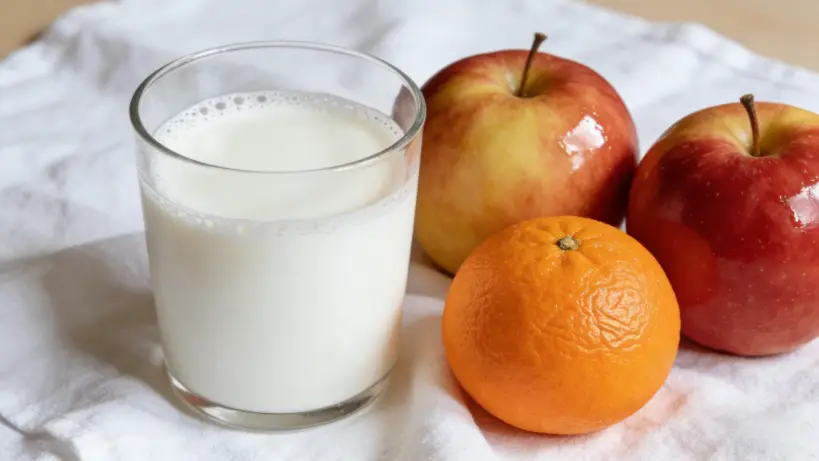
Avoidance Tip: If you want to boost calcium and protein, go straight for pure milk or sugar-free plain yogurt. Save milk beverages for an occasional treat, not a daily staple.
3. Freshly Squeezed Juice: Seemingly Nutritious, Actually a “Fructose Trap”
A lot of people think freshly squeezed juice keeps all the fruit’s nutrients and is healthier than soda. But when you squeeze fruit into juice, most of the dietary fiber gets destroyed—leaving nothing but loads of fructose and a few vitamins.
When your body metabolizes fructose, it directly produces uric acid (which raises gout risk), stimulates insulin release (leading to fat gain), and leaves you feeling groggy all day. What’s more, the sugar in juice gets absorbed super fast, causing blood sugar spikes and crashes—you’ll likely feel tired 30 minutes to an hour after drinking it. Long-term, it also messes with your gut bacteria, leading to bloating.
Avoidance Tip: Eat whole fruits instead—they keep the fiber intact. If you do drink juice, skip straining out the pulp and limit yourself to no more than 200 milliliters a day.

4. Whole-Grain Biscuits: Under the Guise of “Whole Grains,” Actually a “Fat King”
Whole-grain biscuits claim to be “high-fiber, whole-grain, and additive-free,” so many people grab them as a healthy snack. But to make whole grains taste crispy, manufacturers load them up with butter, vegetable oil, and white sugar.
For instance, one type of whole-grain biscuit has a fat content of up to 33% and around 500 calories per 100 grams—eating that much is like having an extra meal! All that fat and calories slows down digestion, so food sits in your gut too long, ferments, and causes bloating. It also raises blood lipids, leaving you feeling tired and sluggish.
Avoidance Tip: Cut back on whole-grain biscuits. If you crave whole grains, opt for steamed sweet potatoes, corn, brown rice, or a small handful of plain nuts instead.
5. Fruit and Vegetable Crisps: Not “Dehydrated Vegetables,” but “Oil-Absorbing Snacks”
Fruit and vegetable crisps are marketed as “nutrient-rich and non-fried,” making them a go-to healthy snack for many. But the truth is, most fruit and vegetable crisps on the market use a vacuum oil bath process—they’re basically fried food in disguise.
When fruits and vegetables are dried, their structure becomes porous, so they soak up oil like a sponge. 100 grams of fruit and vegetable crisps can have up to 1919 kilojoules (about 459 calories) and more than 14 grams of fat. Eating them long-term leads to extra calories, strains your digestion, causes bloating and constipation, and slows down your metabolism—leaving you exhausted all day.
Avoidance Tip: Skip the fruit and vegetable crisps. Eat fresh fruits and veggies instead—they’re packed with vitamins and fiber, with no extra oil.
6. Sweet Yogurt: A Calorie Bomb Hiding “Probiotics”
Sweet yogurt is touted for its “probiotics that support gut health” and sweet-sour taste, making it a fan favorite. But to balance the sourness, sweet yogurt is loaded with white sugar—5-10 grams per 100 grams, and some brands have more than 15 grams.
Too much sugar cancels out the benefits of probiotics and feeds harmful gut bacteria, leading to an imbalanced gut, bloating, and diarrhea. It also causes blood sugar spikes and crashes, leaving you tired and unfocused in the afternoon. Long-term, it also increases your risk of obesity.
Avoidance Tip: Choose sugar-free or low-sugar plain yogurt. Add a few fruit chunks for sweetness—this way, you keep the probiotics’ benefits and cut down on sugar.
7. Meal Replacement Shakes: Seemingly “Low-Calorie and Filling,” Actually Nutritionally Unbalanced
Meal replacement shakes are advertised as “low-calorie and nutritionally balanced,” making them a top pick for dieters. But in reality, most meal replacement shakes slash the amount of key nutrients like protein and fiber to keep calories low.
Drinking meal replacement shakes long-term leads to nutrient deficiencies, muscle loss, and a slower metabolism. Not only will it be harder to lose weight, but you’ll also feel tired, run-down, and less immune. Plus, some shakes have tons of additives and artificial sweeteners that irritate your gut, causing bloating and indigestion.
Avoidance Tip: Don’t rely on meal replacement shakes. Use natural ingredients to make homemade healthy meals, and make sure you’re getting enough protein, carbs, and veggies.

Summary
The main reason many “healthy foods” leave you tired and bloated is too much sugar, too much oil, too many additives, and lack of balanced nutrition. These foods look healthy, but they actually mess up your digestion and blood sugar. Eating them long-term doesn’t just harm your health—it also drags down your daily energy.
The key to avoiding these health traps is simple: check the ingredient list, choose natural foods, and limit processed foods. Eat more fresh fruits and veggies, whole grains, and high-quality protein, and cut back on high-sugar, high-oil processed foods. That’s how you’ll truly eat healthy, keep your body light, and say goodbye to fatigue and bloating for good.
Frequently Asked Questions (FAQ)
1. Why do I feel more tired after eating “healthy foods”?
It all comes down to blood sugar spikes and crashes andan overworked digestive system. High-sugar, high-oil “healthy foods” make your blood sugar jump and drop quickly, so your energy is all over the place—hence the afternoon slump. At the same time, these foods strain your digestion; your body has to work harder to break them down, leaving you feeling worn out.
2. If my stomach is prone to bloating, how should I adjust my diet?
- Cut back on gas-producing foods: beans, onions, potatoes, sweet potatoes, carbonated drinks, etc.;
- Skip high-sugar, high-oil processed foods to lighten the load on your digestion;
- Chew slowly to avoid swallowing extra air; take a short walk after meals to boost digestion.
3. Looking for simple swaps for healthier eating?
- Breakfast: Plain oatmeal + pure milk + fresh fruit + a small handful of nuts;
- Snacks: Fresh fruits/veggies, plain nuts, sugar-free yogurt;
- Staple foods: Swap refined rice/noodles for whole grains (brown rice, corn, sweet potatoes);
- Drinks: Stick to pure milk, water, or light tea—skip milk beverages and fruit juice.